Pediatric Dentistry in Lucknow
Dental care for children, planned around their age and development.
What Is Pediatric Dentistry?
Children’s teeth and mouths change quickly, and their dental needs change with them. At ESD Dental Clinic in Hazratganj, we see children and teenagers, and each visit starts with an examination and a conversation with you.
Pediatric dentistry is dental care for children, from the first teeth through to the teenage years. A dentist with additional training in this area is called a pediatric dentist, or pedodontist, and the field is sometimes called pedodontics.
Children are not small adults. Their teeth are still developing, baby teeth and permanent teeth need different care, and how a child feels about the dentist matters as much as what is done. Children’s dental care therefore looks at the teeth, the gums, how the mouth is developing and the habits that affect it, and it involves the parent throughout.
Dental Care for Children
Which of these your child needs depends on their age, their teeth and how their mouth is developing. Not every child needs all of them.
Check-ups
An examination of your child’s teeth, gums and development, so problems can be found early.
Fluoride
Fluoride may be discussed as part of preventing cavities, where your dentist thinks it is appropriate for your child.
Sealants
Protective coatings for the biting surfaces of some teeth, where suitable.
Fillings for milk teeth
Treatment of cavities in baby teeth, where treatment is needed.
Guidance on habits
Advice on things such as thumb-sucking or dummy use, and on cleaning and diet.
Watching development
Your dentist can keep an eye on how your child’s teeth and jaws are developing as they grow.
Common Dental Problems in Children
Cavities in milk teeth
Baby teeth can decay, just as adult teeth can, and decay can start soon after the first teeth appear. A cavity in a milk tooth is not something to ignore automatically, but nor does every cavity need the same treatment.
Early stage cavity
An early cavity may not cause any pain at all. Parents sometimes notice a white or brown spot, or a sensitive tooth, but signs vary and many early cavities are found only at a check-up.
Toothache and sensitivity
Pain or sensitivity to hot, cold or sweet foods can have several causes, including decay, a cracked tooth or gum irritation. Persistent pain is worth having checked rather than waiting to see if it settles.
Chipped or injured teeth
Children have knocks and falls. Any injury to a tooth should be looked at, even if the tooth looks fine, because damage is not always visible.
Gum problems
Red, swollen or bleeding gums in a child are worth having checked. They are often related to plaque, but an examination is needed to find the cause.
Why milk teeth matter
Milk teeth help a child to chew and to speak clearly, and they hold space in the jaw for the permanent teeth that follow — so decay in a baby tooth is worth having looked at rather than ignored.
When Should a Child See a Dentist?
General dental guidance suggests that a child’s first check-up can be arranged once the first teeth appear, or around their first birthday. A visit is also worth arranging if your child has:
- A tooth that is painful, sensitive or visibly damaged
- A spot, hole or discolouration on a tooth
- Bleeding or swollen gums
- An injury to the mouth or a tooth
- Teeth that seem to be coming through late or in an unusual way
- Habits such as thumb-sucking that you are concerned about
- No concerns at all, for a routine check-up

How often check-ups are needed depends on your child, and your dentist will tell you.
When to Seek Prompt Attention
Contact the clinic promptly if your child has:
- Significant swelling of the face, gum or jaw
- Persistent or severe tooth pain
- An injury to the face or mouth
- A knocked-out or badly damaged tooth
- Bleeding from the mouth that does not stop
Call +91 72669 23333 so the team can advise on the next step. If there has been a serious injury to the head, if your child has difficulty breathing or swallowing, or if bleeding is heavy, seek emergency medical care first.
What Happens During a Child’s Dental Visit?
You explain your concerns
You tell the dentist what you have noticed and anything about your child’s health or past dental experiences.
The dentist talks with you both
Younger children often start by simply meeting the dentist.
Examination
The dentist looks at your child’s teeth, gums and mouth.
Images or records, if needed
X-rays or other records are taken only if they are clinically necessary.
Explanation
The dentist explains what was found.
Treatment options, if needed
You are told what is recommended and what it involves.
Preventive guidance
You are given advice on cleaning, diet and habits.
Follow-up
The dentist tells you when to return.
Some parents find it helps to bring a child along to their own check-up first, so that a visit to the dentist feels ordinary rather than alarming.
Helping a Child Feel More Comfortable
It is common for children to feel nervous about the dentist. A few things can help:
- Tell your dentist if your child has had a difficult experience before, or is particularly anxious.
- Talk about the visit in simple, positive terms, and avoid describing what will happen as painful or frightening.
- Let your child know they can ask questions.
- Stay with your child during the visit, as the dentist advises.

Your dentist can explain what is happening in words your child understands. The approach to treatment depends on your child’s needs and how they respond, and children’s appointments are paced for younger patients.
Preventive Dental Care for Children
Good habits from an early age help protect your child’s teeth.
- Clean your child’s teeth regularly, using a toothpaste and amount suited to their age.
- Frequent sugary snacks and drinks make cavities more likely — keeping them to mealtimes helps.
- Regular visits let problems be found and treated early.
- Your dentist can keep an eye on how the teeth and jaws are developing.
- Thumb-sucking or prolonged dummy use can affect the teeth and bite; your dentist can advise.
- Problems found early are often simpler to deal with.
Pediatric Dentistry by Age
Children’s dental needs change as they grow.
Toddlers and young children
Baby teeth are coming through, and the focus is on keeping them clean, avoiding frequent sugary drinks and snacks, and getting used to the dentist. Habits such as thumb-sucking or dummy use may be discussed.
School-age children
Baby teeth begin to loosen and permanent teeth come through. Check-ups help to monitor this and to spot cavities early. Some children will need treatment for decay.
When Another Treatment May Be Needed
Sometimes a child needs more than a check-up or a filling. Your dentist will explain what applies and why.
How Long It Takes, and How It Feels
How long does treatment take?
There is no standard time. It depends on the problem being treated, the number of teeth involved, your child’s age and how they cope with the visit, whether treatment can be done in one visit, and follow-up. Appointments for children are kept short where possible.
Does it hurt?
It depends on the treatment. A check-up causes little or no discomfort; treatment for a cavity may cause some, and a tooth that is already sore can be more sensitive. Local anaesthesia is used where appropriate, and some soreness afterwards is common. Contact the clinic if pain is severe or does not settle.
Pediatric Dentistry Cost in Lucknow
The cost of children’s dental treatment varies, and we do not publish a fixed price — a routine check-up and treatment for a cavity are very different in what they involve. What affects the cost:
- The type of problem
- The number of teeth involved
- The treatment needed
- Any X-rays or other records
- The number of visits
- Whether additional treatment is needed
- Follow-up
Once your dentist has examined your child, you can ask about the cost of what is recommended before you decide.
What to Ask Before Starting Treatment
- What is the problem, and what treatment is recommended?
- Why is it needed now?
- How many teeth are involved?
- Are X-rays or other records included?
- How many visits will it take?
- Are follow-up visits included?
- Is any other treatment likely to be needed?
- What is the cost of each part?
Pediatric Dentistry at ESD Dental Clinic
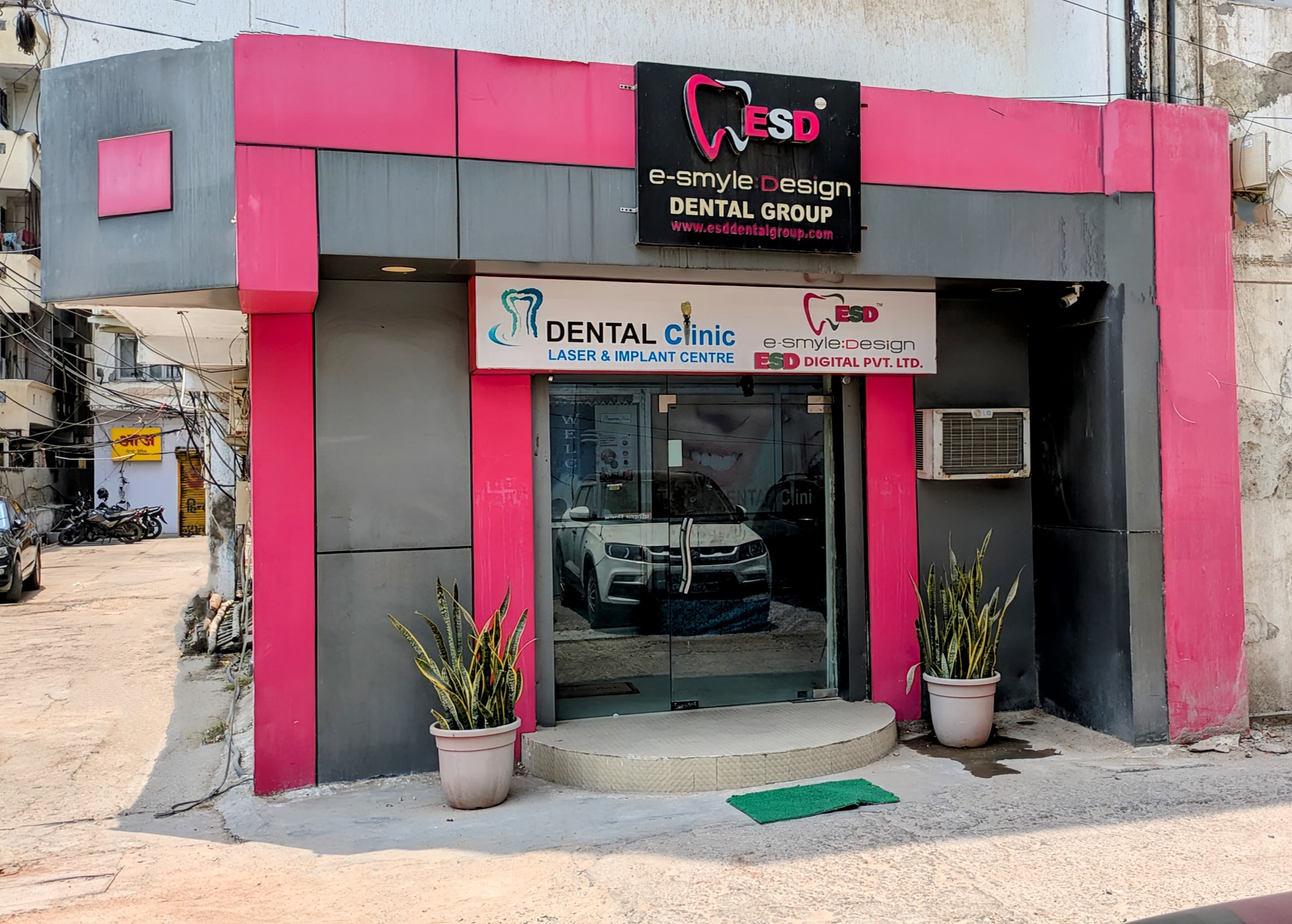
ESD Dental Clinic has been serving patients on Jopling Road in Hazratganj since 2011. It is a multi-specialty dental clinic with a team of dentists, and it treats children and teenagers as well as adults.
Children’s care starts with an examination and a conversation with you. Your child’s dentist explains what they find and what your options are before any treatment is decided. Care is provided by the appropriate member of the dental team, based on your child’s needs.
Pediatric Dentistry FAQs
Dental care for children, from the first teeth through the teenage years. It looks at the teeth, gums and how the mouth is developing.
Book a Pediatric Dentistry Consultation
If you are worried about your child’s teeth, or would like a routine check-up, we are happy to see you. We will examine your child, explain what we find and talk through any options with you, so you can decide what suits your family.
ESD Dental Clinic, Ground Floor, B Block, Surajdeep Complex, 1-Jopling Road, near Aaj Press, Hazratganj, Lucknow – 226001. Phone +91 72669 23333.
Request an Appointment
Tell us what you need and our care team will call you back to confirm a time. We never share your details.
- An examination first — we look before we recommend anything.
- A written, itemised plan with the cost, before you decide.
- Treatment in planned stages, with a review afterwards.
Other Treatments
Ready to book your visit?
An examination, a written treatment plan and the prices that go with it — before you decide anything.